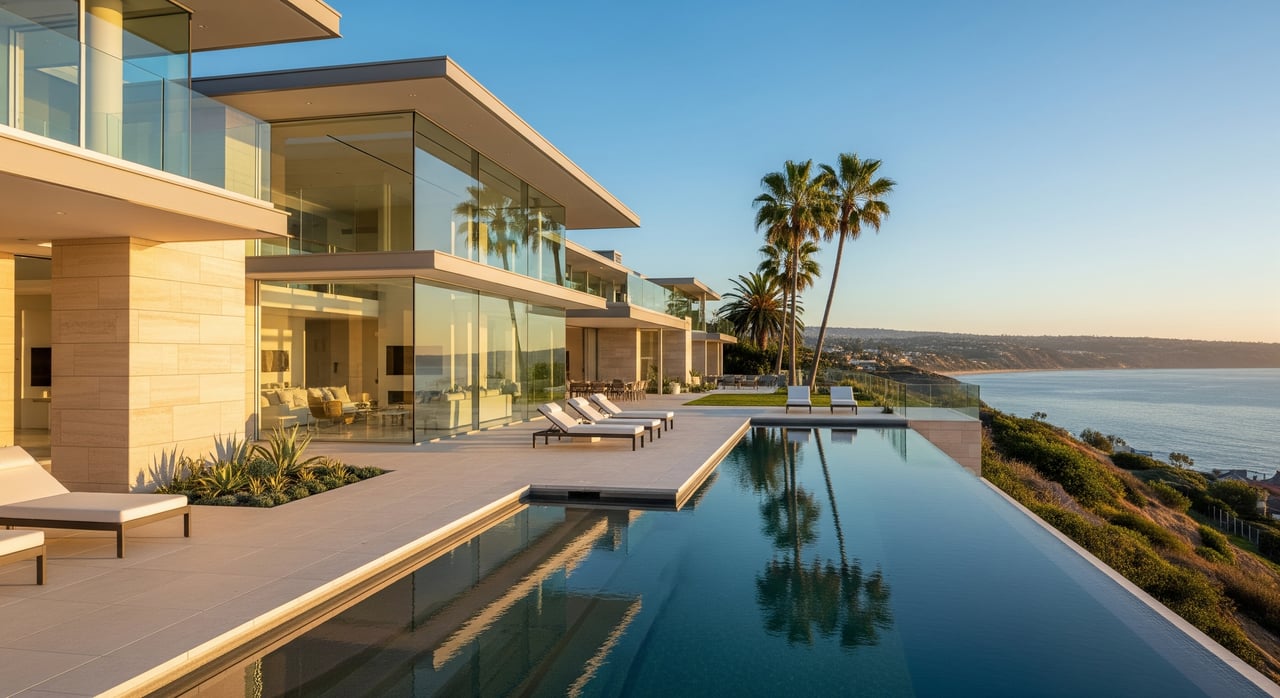
Why are some Pacific Palisades homes drawing immediate attention while others linger? If you are planning a move, you need more than headlines. You need a neighborhood-level view of what is shaping demand and how it affects pricing, timing, and negotiation. In this guide, you will learn the forces at play across the Alphabet Streets, the Riviera, and the Via Bluffs, plus clear steps you can take as a buyer or seller. Let’s dive in.
What is driving demand now
Macro forces in LA luxury
Luxury activity in Los Angeles often follows broader financial conditions. Shifts in mortgage rates influence jumbo financing and how comfortable buyers feel carrying leverage. Equity markets affect liquidity for high‑net‑worth buyers, which can speed up or slow down decision making. Remote and hybrid work trends continue to support demand for larger homes with flexible spaces. Tax and regulatory considerations can also shape relocation and holding decisions, so plan with your financial team.
Local Pacific Palisades drivers
Several local factors keep Pacific Palisades high on buyer shortlists. Proximity to coastal recreation, Santa Monica, Brentwood, Malibu, and Westside job centers provides a balanced lifestyle. Many buyers value access to neighborhood schools, including Palisades Charter High School and local elementary options. Limited developable land means new supply often comes from tear‑downs and rebuilds, which can take time to deliver. Privacy and discreet transactions matter to many high‑profile buyers, and seasonal patterns still apply, with spring typically bringing more listings and activity.
Micro‑markets that shape price and speed
Demand does not move in a single wave across the Palisades. The three luxury pockets below attract different buyer pools and show distinct negotiation patterns.
Alphabet Streets snapshot
- Character: Primarily single‑family homes with tree‑lined streets and close access to Palisades Village.
- Buyer focus: Many buyers prioritize proximity to schools, neighborhood amenities, and short commutes.
- Pricing dynamics: This mid‑luxury tier tends to show more stable price patterns. Renovations, lot size, and layout drive price per square foot.
- Listing and negotiation: Turnkey, move‑in‑ready homes see stronger competition, especially around school‑year timing. Pricing to the most recent, street‑level comps is essential.
Riviera snapshot
- Character: Ocean‑view and cliffside estates with historic and high‑end architecture, and very limited turnover.
- Buyer focus: Privacy, views, and prestige attract a global and local high‑net‑worth audience.
- Pricing dynamics: Highest prices and price per square foot in the Palisades, with episodic sales that can skew averages.
- Listing and negotiation: Expect more off‑market conversations and bespoke deal terms. Appraisals and escrow can be complex due to sparse comps and unique property attributes.
Via Bluffs snapshot
- Character: Newer construction and contemporary design on hillside lots, often with panoramic outlooks.
- Buyer focus: Modern amenities, smart‑home features, and turnkey quality appeal to buyers across industries.
- Pricing dynamics: Price per square foot is closely tied to finish level, build quality, and lot orientation.
- Listing and negotiation: Presentation matters. Staging, photography, and clear documentation of systems can shorten time to contract.
How to read the numbers
Core metrics that matter
Track both the level of activity and the speed of the market. The following indicators help you understand leverage and likely outcomes:
- Active luxury inventory, new listings, and closed sales
- Months of supply, a quick signal of seller versus buyer advantage
- Median and mean sale price, plus median price per square foot over time
- Days on market, list‑to‑sale price ratio, and frequency of price reductions
- Share of homes selling above list price
- Off‑market and pocket activity where known
- Financing mix, such as cash versus jumbo loans
Signals to watch
- Months of supply under roughly four months often points to a seller‑leaning market in many segments. The very high end can function with higher supply and still favor sellers.
- Rising median price per square foot with falling inventory suggests demand pressure. If price per square foot rises while days on market also rise, pricing may be outpacing buyer comfort.
- Frequent price reductions indicate buyer leverage and room for negotiation.
- A higher share of cash and off‑market deals reduces price transparency and shifts focus to relationships, presentation, and access.
Data caveats in luxury
Luxury sales often have small sample sizes. A single record estate can skew average prices, so rely on medians and price per square foot bands, not just averages. Off‑market and pocket deals limit visibility and can alter perceived value. Micro‑neighborhood boundaries matter, so compare by street and view orientation, not just ZIP code.
Buyer profiles and behavior
You are likely to encounter several distinct buyer types in the Palisades, each with different timelines and priorities:
- Local primary‑residence buyers who value neighborhood amenities and practical commutes
- Entertainment and creative professionals who emphasize privacy, security, and discretion
- Tech and finance buyers who prefer turnkey modern homes and may pay for convenience
- Out‑of‑state and international buyers who seek coastal prestige and trophy properties
- Downsizers who want high‑amenity living with less maintenance
Common patterns include strong preference for move‑in readiness, long‑term ownership horizons in view‑driven pockets, and a higher share of cash or complex financing structures at the top end.
Strategy by segment: timing and negotiation
If you are selling
- Price to the micro‑market. Align list price with recent, nearby comps that reflect your home’s finishes, lot orientation, and view context.
- Riviera requires bespoke planning. Expect longer windows, discreet showings, and customized outreach to qualified buyers when comps are sparse.
- Elevate presentation for view homes. Invest in high‑quality photography, drone assets, and detailed floor plans, especially for Via Bluffs and ocean‑view properties.
- Reduce friction upfront. Consider pre‑listing inspections and a property information packet to streamline due diligence.
If you are buying
- Be ready to move on the right home. In low‑inventory segments, prepare to act quickly on well‑priced listings and use escalation strategies where appropriate.
- Cultivate access. For Riviera and upper‑tier properties, many opportunities are off‑market. Relationships with neighborhood brokers matter.
- Plan for appraisal complexity. Unique luxury homes can challenge standard valuations. Build in appraisal contingencies or plan for bridge cash if needed.
Negotiation posture by area
- Alphabet Streets: Updated, well‑priced homes can see multiple offers. Clean terms, proof of funds or pre‑approval, and flexible closing can help your position.
- Riviera: Sellers often hold leverage when lots, setbacks, and views are unique. Deals may include non‑price factors such as confidentiality terms and bespoke timing.
- Via Bluffs: Negotiation often centers on perceived quality. Document systems and upgrades clearly, and expect buyers to scrutinize finishes and technology.
What to track each month
If you want a clear read on momentum, build a simple dashboard and update it monthly or quarterly:
- 12 to 24‑month line chart for median price per square foot, separated by Alphabet Streets, Riviera, and Via Bluffs
- Months of supply by quarter for listings at 3 million dollars and above
- Days on market trend and list‑to‑sale ratio
- Map of recent closed sales with an indicator for off‑market transactions
- A qualitative breakdown of buyer profiles to understand who is active now
Presentation and marketing that move the needle
In Pacific Palisades, demand often rewards the best‑presented homes. Precision staging, architectural storytelling, and photography that captures view lines and privacy can shorten time to contract and support stronger pricing. For unique estates, targeted broker events and selective, confidential outreach can surface qualified buyers who value discretion. When appropriate, off‑market placements can preserve privacy while testing price and timing.
Working with a boutique advisor who pairs local expertise with global reach can amplify exposure. Coldwell Banker Global Luxury provides international syndication and co‑listing pathways that bring your property to qualified domestic and overseas buyers, while a concierge approach ensures showings and negotiations are handled with care.
What this means for you
Demand in Pacific Palisades is shaped by micro‑market realities, limited supply, and buyer preferences for privacy, views, and move‑in readiness. The smartest path forward is to align your strategy to the neighborhood, the season, and the latest indicators. Whether you are planning to list or searching for a specific pocket of the Palisades, a clear read of inventory, price per square foot, and days on market will help you time your move and negotiate with confidence.
Ready to discuss your timing and options in detail? Connect with Albert Sousa for a confidential conversation about your goals and the best pathway in today’s market.
FAQs
Is now a good time to sell in Pacific Palisades?
- It depends on your micro‑market, price band, and current months of supply. Review recent list‑to‑sale ratios, days on market, and buyer activity in your immediate area before setting strategy.
How much do views and lot size add to price in Pacific Palisades?
- Premiums vary by street and sightline. In view‑driven pockets like the Riviera and bluffs, adjustments often center on view quality, setbacks, and lot orientation rather than square footage alone.
How long does it take to sell a luxury home in Pacific Palisades?
- Time to sell depends on price, presentation, and neighborhood. Updated, well‑priced homes in the Alphabet Streets can move faster, while unique estates may require longer negotiation windows.
Do Pacific Palisades buyers pay over asking?
- It occurs when pricing is aligned to recent comps and inventory is tight. You are more likely to see above‑list results on turnkey homes where multiple buyers converge.
How do you find comps for a unique Riviera estate?
- Combine multiple nearby sales, recent bluff transactions, and qualitative adjustments for views and setbacks. Broker network intelligence and an appraiser’s input can help validate pricing in sparse‑comp markets.